The material you choose for a garage door decides how it handles a Wisconsin winter, how often it needs attention, how it shrugs off a stray hockey puck, and how it looks against your siding twenty years from now. We help Elm Grove homeowners compare steel, wood, wood composite, fiberglass, aluminum and glass side by side, with plain talk about strength, insulation, maintenance and what each one asks of you over time.
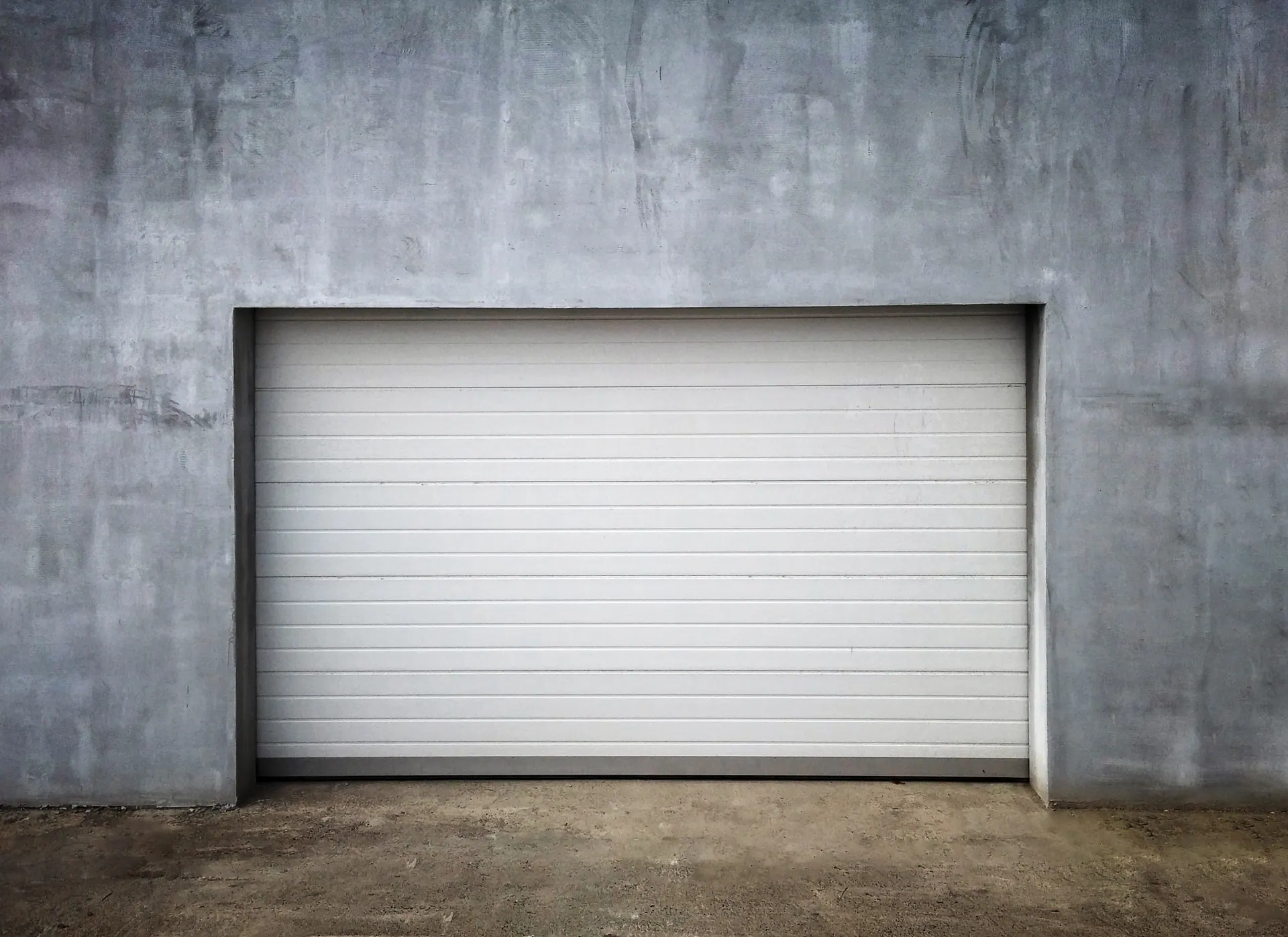
Steel is the most common residential garage door material, and for most Elm Grove homes it is the practical starting point. Modern steel doors use galvanized sheet steel with a baked on primer and topcoat, which gives a durable finish that resists rust far better than older painted doors. Steel is strong for its weight, holds embossed patterns like wood grain or stucco texture well, and comes in raised panel, flush, long panel and carriage house designs. It also accepts insulation easily, which makes it the most flexible material across budgets and uses.
Steel thickness is described by gauge, and the numbering works backward: a lower gauge number means thicker steel. Many economy doors use thinner steel around 25 to 27 gauge, while sturdier doors use 24 gauge or heavier skins. Thicker steel resists dents better and feels more solid when you push on it. On insulated doors, the inner skin and bonded foam core add stiffness, so a three layer door with a moderate gauge exterior can be more dent resistant than a single layer door with slightly thicker steel and no backing.
The weaknesses of steel are worth knowing. It can dent from impacts, and a deep scratch that reaches bare metal can rust if left untreated, especially on the bottom section where salt and slush collect. Uninsulated steel conducts cold readily, so a single layer door makes a garage feel like the outside air in January. Dark colors on south facing doors absorb more heat in summer. None of these are deal breakers, but they shape which steel door, finish and insulation level will serve you best. We point them out up front so nothing surprises you later.
Galvanized steel with baked finish
Lower gauge means thicker steel
Wide range of panel designs
Wood grain or smooth textures
Easy to add insulation
Low maintenance for most homes
Insulation and cores
What is inside the door matters as much as outside
Garage doors are commonly described by layers. A single layer door is just the exterior skin, sometimes with stiffening ribs. A two layer door adds a slab of insulation, usually polystyrene, bonded or fitted to the back of the skin and sometimes faced with a vinyl or paper backing. A three layer door sandwiches the insulation between an exterior and an interior steel skin, creating a stronger, quieter and better insulated panel. The interior skin also gives the garage side a finished look and protects the core from damage. It also hides the foam from bumps and scrapes.
Insulation itself comes in two main types. Expanded polystyrene is a rigid foam board placed inside the section, and it offers good insulating value at a moderate cost. Injected polyurethane foam is pumped into the section as a liquid, expands to fill every gap, and bonds to both skins as it cures. That bond makes the whole section stiffer and more dent resistant, and polyurethane typically provides a higher R value per inch. It also tends to dampen noise and vibration, so the door runs more quietly. For many attached garages, it is the core we suggest first.
R values on garage doors deserve a little caution, because manufacturers may calculate them in different ways, and a door is only as warm as its weakest point. Thermal breaks between the inner and outer skins, tight section joints, a good bottom seal and perimeter weatherstripping all affect real world comfort. A highly insulated door with gaps at the floor will still feel drafty. When we compare insulated doors, we look at the full package rather than a single number printed on a sticker. Seals and installation quality count just as much as the core.
Warning signs
Signs your door material is not working for you
01
Garage too cold
If your attached garage drops close to outdoor temperature on winter nights, the door may be single layer steel with no insulation. Cars start harder, stored paint and liquids freeze, and the rooms next to the garage lose heat. An insulated door can help noticeably.
02
Constant dents and dings
Thin, single layer steel can dent from a soccer ball, a bike handlebar or a leaning shovel. If your door collects dents every season, a thicker gauge or an insulated three layer door with a bonded core will stand up better to everyday use.
03
Peeling or rotting wood
Wood doors with peeling finish, gray weathered patches, swelling or soft spots need attention. If keeping up with refinishing has become a chore you never get to, a composite or steel door with a wood grain look may suit you better.
04
Rust along the bottom
Bubbling paint and rust along the lower edge of a steel door often comes from salt and standing water. Once rust has spread or eaten through, a newer door with a better galvanized finish and good bottom seal will resist corrosion longer.
05
Door rattles and booms
Single layer doors can rattle in the wind and boom loudly as they open and close. Insulated doors, especially those with polyurethane cores, are stiffer and quieter. If the noise bothers you or people sleeping above the garage, material is part of the fix.
06
Faded or chalky finish
Sun exposure can fade painted steel, fiberglass and vinyl, and leave a chalky residue on the surface. If the color no longer matches your trim or looks tired from the street, it may be time to consider a door with a more fade resistant finish.
Wood and wood look
Real wood, composite and fiberglass options
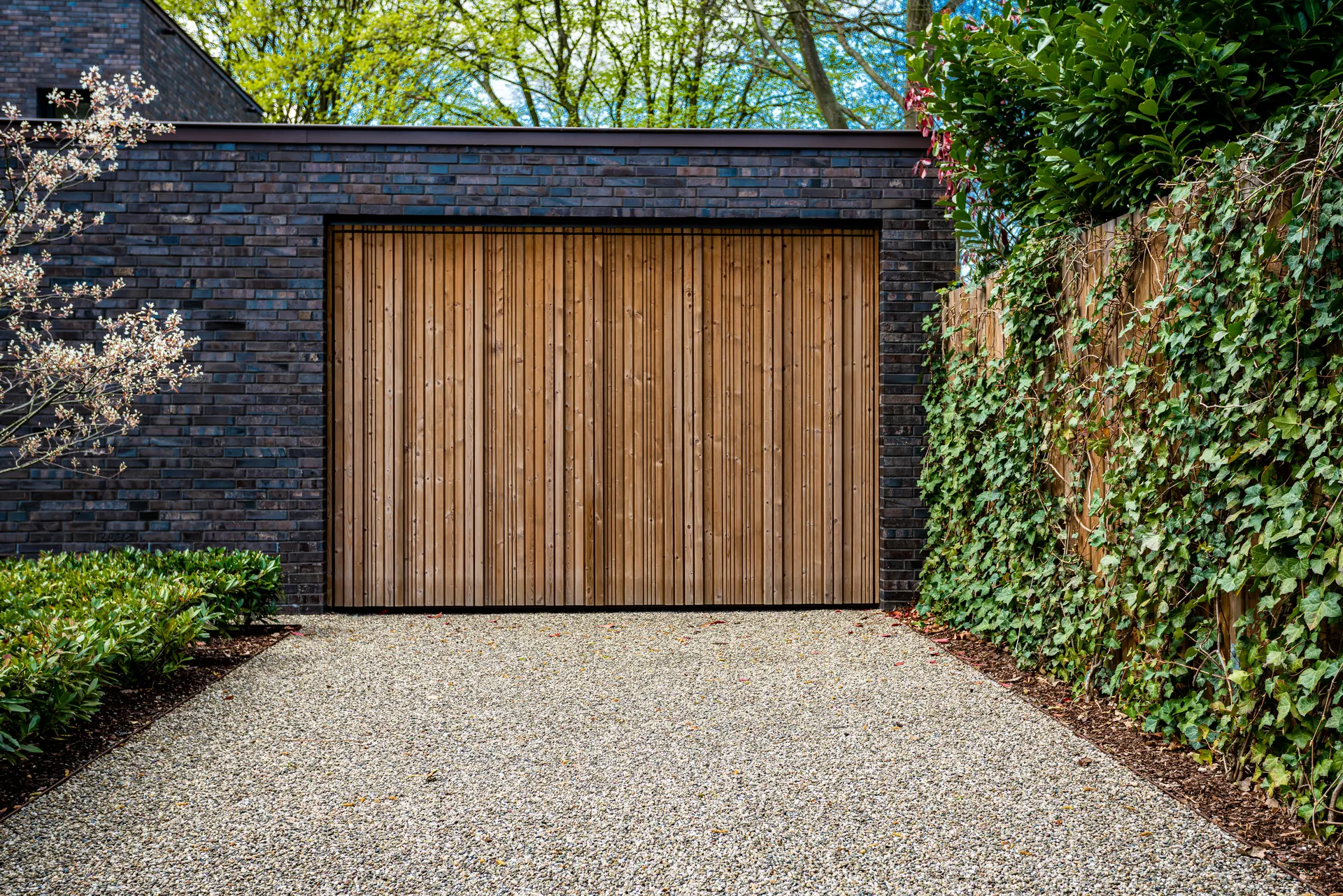
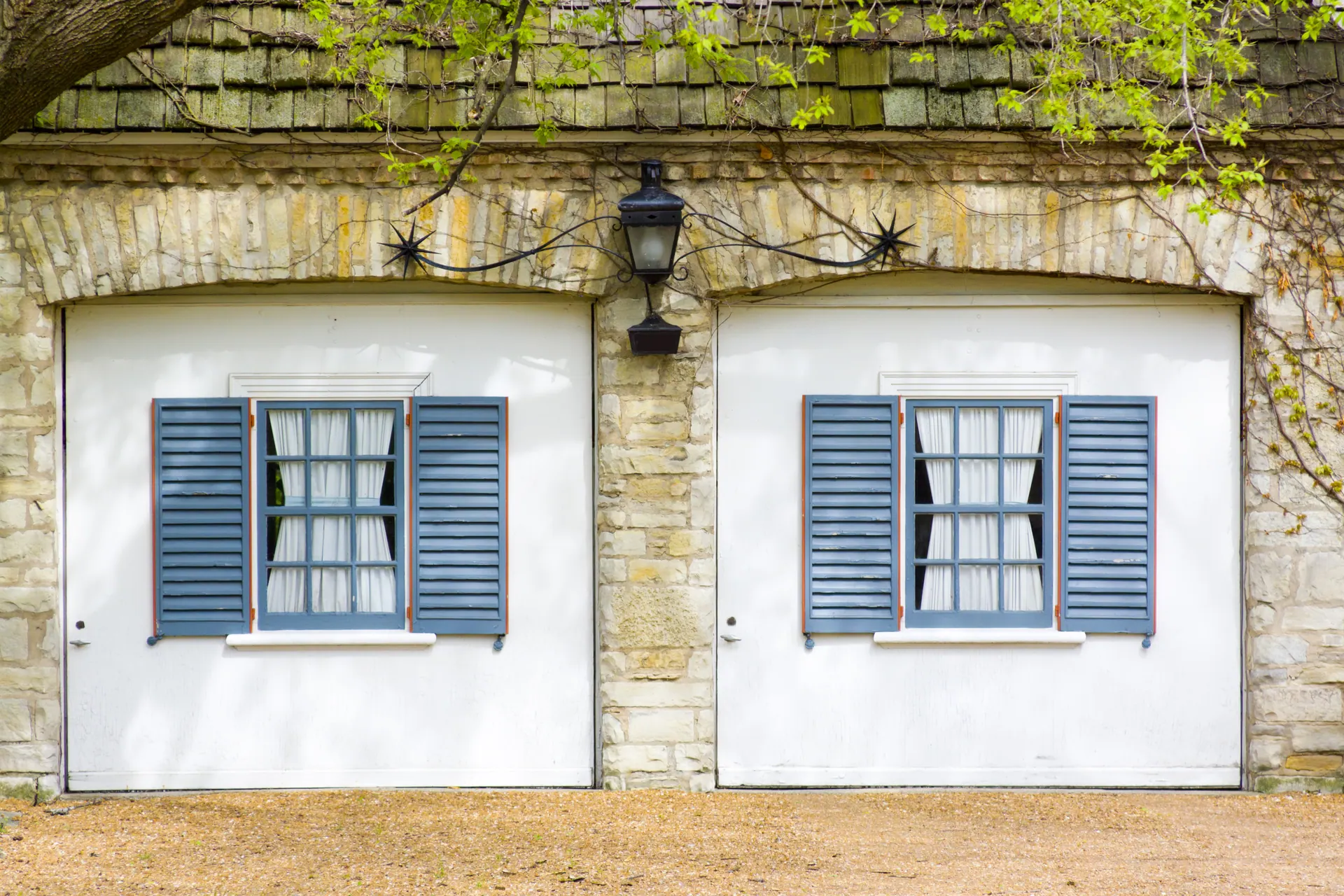
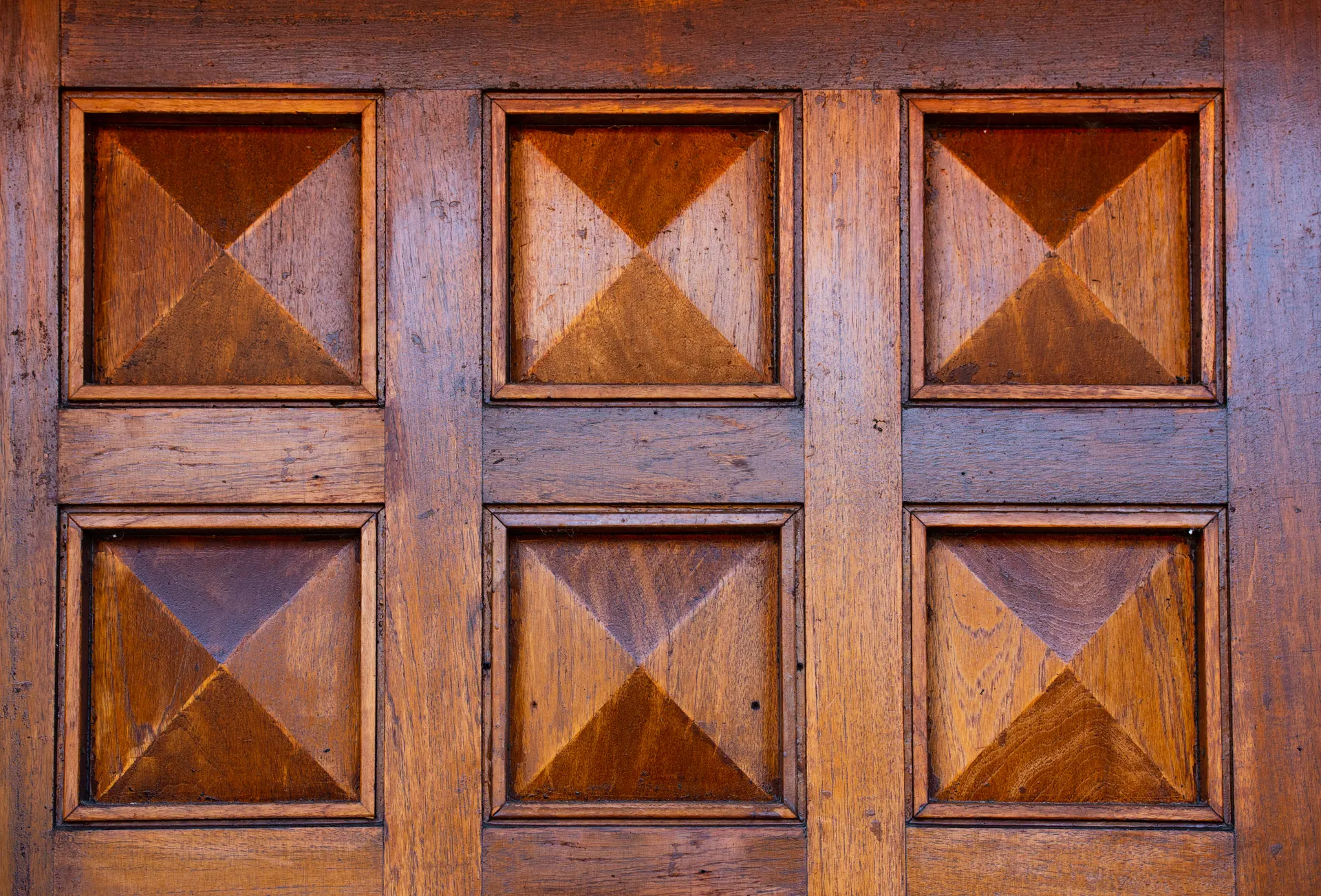
Real wood garage doors have a character that is hard to imitate, with visible grain, depth and the option to stain rather than paint. Common species include cedar, hemlock, fir and redwood, each with its own color and grain. Wood doors are typically built with frames and panels, or as an overlay on a solid backing. They suit historic homes, carriage house designs and custom work well. Wood is also heavier than most steel doors, which affects spring sizing and may call for a stronger opener and sturdier hardware throughout.
The tradeoff with wood is maintenance. In a climate with snow, salt, humidity and sun, wood needs regular finishing to stay sealed, and the bottom section takes the worst of it. Any face or edge left unsealed can absorb moisture, swell, crack or rot over time. Doors in shaded, damp spots dry slowly after rain. Homeowners who choose wood need to plan for inspections and refinishing every few years, sometimes more often for doors that face the afternoon sun or sit close to sprinklers. It is a lovely material, but it rewards owners who enjoy the upkeep.
Wood composite and fiberglass offer a middle path. Composite doors use engineered wood materials or a composite overlay on a steel base, molded or textured to look like wood grain, and can be painted or stained to resemble real wood with less upkeep. Fiberglass skins over steel can imitate wood grain closely while resisting dents and rot, though fiberglass can become brittle in extreme cold and fade with sun exposure. These choices let you get a warm, traditional look without signing up for the full maintenance routine of solid wood.
Cedar, hemlock, fir and redwood
Stain or paint finish options
Heavier doors need stronger springs
Regular refinishing for real wood
Composite gives wood look easily
Fiberglass resists dents and rot
Glass and specialty
Aluminum, glass and other material choices
Full view doors use aluminum frames with large glass or polycarbonate panels, giving a clean, modern look and filling the garage with daylight. They are popular on contemporary homes and on garages used as studios, gyms or entertaining spaces. Aluminum resists rust, which is a real advantage in salty winters, and frames come in anodized or powder coated finishes. Glass choices include clear, frosted, tinted and insulated glazing, with tempered or laminated glass recommended for safety and impact resistance in a busy family garage. Frosted or obscure glass keeps the light while preserving privacy.
The downside of full view doors is insulation. Even with insulated glass, a door made mostly of glass and aluminum loses heat faster than a well insulated steel door. Aluminum frames can also flex and dent more easily than heavier materials, and glass adds weight that has to be accounted for in the spring calculation. For a detached garage used mainly for storage, or a heated garage where daylight matters more than maximum efficiency, these tradeoffs may be perfectly acceptable to a homeowner. We are glad to help you think it through before you decide.
Vinyl doors are another option, though less common in our area. Vinyl skins over a steel frame resist dents well and never rust, making them durable against bumps from bikes and balls. The color choices tend to be more limited, and vinyl can become stiff in very cold weather. Some homeowners also mix materials, such as steel doors with composite overlays or carriage house trim. We help you weigh which combination fits the look you want and the conditions your garage door will face. There is no single right answer, only the best fit for your home.
Our process
How we handle garage door materials
1
Talk about your needs
We start by asking how you use the garage, whether it is attached or detached, heated or not, and how much maintenance you are willing to do. Those answers narrow the material choice quickly before we look at styles and colors together.
2
Compare samples
We bring section samples and finish chips so you can feel the weight, see the core construction and compare textures in daylight against your siding and trim. Seeing materials in person makes the differences between them much clearer than any photo.
3
Measure and quote
Once you settle on a material, we measure the opening, headroom and sideroom and check the framing. You receive a clear quote covering the door, tracks, springs sized to the material's weight, any opener changes and removal of your old door.
4
Install and explain care
We install the door with correctly balanced springs, test the opener, safety sensors and auto reverse, and clean up. Then we explain the care routine for your specific material, from simple washing for steel to finishing schedules for real wood doors.
Pricing, explained
What affects the cost
01
Base material
Single layer steel is generally the least expensive. Insulated steel costs more, and composite, fiberglass overlay, aluminum and glass and real wood doors each sit higher. Custom wood doors built to order are typically at the top of the range for materials.
02
Insulation type
Moving from no insulation to polystyrene, and then to injected polyurethane, increases the price. In return, you get better thermal performance, more strength and quieter operation. For attached and heated garages, the step up often pays back in comfort.
03
Finish and texture
Standard factory colors cost less than premium colors, wood grain finishes or custom stains. Real wood doors may need finishing before or after installation. Decorative glass, specialty textures and carriage house hardware all raise the total.
04
Door weight
Heavier materials like wood and insulated steel with glass need larger springs, sturdier hardware and sometimes a stronger opener. Those parts add cost, but undersizing them shortens their life and makes the door harder to operate safely.
Local to Elm Grove
Choosing materials for Elm Grove's trees and winters
Elm Grove has been a Tree City USA community since 1989, and those mature trees shape how garage door materials hold up here. Shade from oaks and maples keeps doors damp, sap and leaf litter stain finishes, and heavy fall leaf drop piles against the bottom section. Winter adds road salt, snowbanks pushed against the door and freeze thaw cycles that test every seal and seam. For most homes in the village, insulated galvanized steel or a steel based composite is the most forgiving choice. Real wood can look beautiful on a carriage house garage near the village center or a custom home off Elm Grove Road, but it needs a commitment to refinishing. Full view aluminum and glass suits some newer, modern rebuilds where daylight is the goal. We help match the material to your lot, your exposure and how much upkeep you want.
For most Elm Grove homes, a three layer insulated steel door with a polyurethane core offers the best mix of durability, dent resistance and low maintenance. The bonded foam stiffens the sections, and galvanized steel with a baked finish resists rust. Wood can last a long time with care, but it demands more upkeep. Aluminum resists rust but dents more easily than heavier materials.
Is a steel garage door warm enough for Wisconsin?
An insulated steel door can be, especially a three layer door with polyurethane or thick polystyrene insulation and good weather seals. Single layer steel doors offer little protection against cold, so attached garages with those doors often get very cold in winter. If you use the garage as a workshop or it shares walls with living space, choose a well insulated door.
How much maintenance does a wood garage door need?
Real wood doors need regular inspection and refinishing to stay sealed against moisture. How often depends on the finish, sun exposure and how much water the door sees. Doors in full sun or close to sprinklers need attention more often. All faces and edges must be sealed to prevent swelling, cracking and rot, especially along the bottom section where snowmelt collects.
Do composite doors really look like wood?
Good composite and fiberglass overlay doors can look very convincing, especially from the street. They use molded or textured surfaces that imitate wood grain, and many can be stained or come in wood tone finishes. Up close, real wood has more depth and variation. Composite doors trade a bit of that authenticity for much lower maintenance and better resistance to rot.
Are glass garage doors a good idea in a cold climate?
They can be, depending on how you use the garage. Full view aluminum and glass doors let in lots of light and suit modern homes, but even with insulated glass they lose heat faster than insulated steel doors. They work well for detached garages, studios and spaces where daylight matters more than maximum efficiency. Tempered or laminated glass is important for safety.
Does a heavier door material affect the opener?
Yes. Wood doors, glass doors and heavily insulated doors weigh more, which requires larger springs and sometimes a stronger opener. A properly balanced door should feel light regardless of material, because the springs do the lifting. If an old opener was sized for a lighter door, we check whether it is still suitable when you change materials. We also confirm the balance after installation.
Book a visit and we will bring samples, look at your garage and exposure, and help you weigh steel, wood, composite and glass options. You get a clear quote before anything is ordered.